- Call Us: +90 (532) 266 27 16
- Opening Hours: Sunday - Friday, 09:00 - 21:00

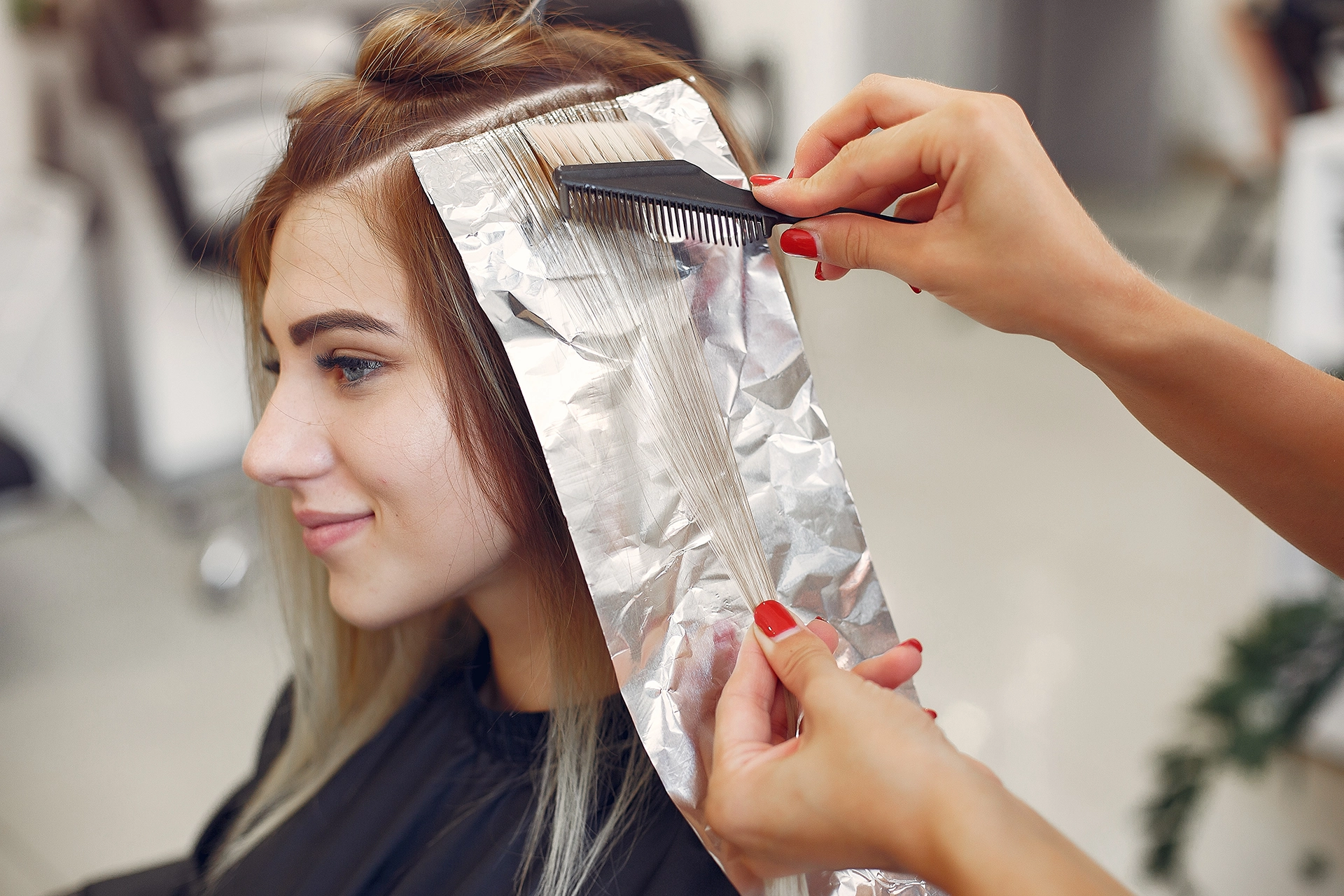
Can You Get Hair Extensions on Fine Hair? Method and Weight Guide
Hair extensions can be applied to fine hair, but the method, attachment size and amount of added hair need to be planned carefully.
The key factor is not simply whether the individual strands are fine. Overall hair density, strength, current length and the condition of the natural hair also need to be considered.
Fine hair with good overall density should not be treated in the same way as hair that is both fine and sparse. This distinction is important when deciding how much extension hair the natural hair can comfortably support.
Is Fine Hair the Same as Thin or Sparse Hair?
Not exactly.
Fine hair refers to the diameter of the individual hair strands. Sparse hair refers to lower overall hair density.
Someone can have very fine strands but still have a full head of hair. In that situation, extension attachments may be easier to conceal and distribute.
When the hair is both fine and sparse:
- Attachment points may be more visible
- The natural hair may support less weight
- Excessive extension density can create more tension
- Placement needs to be more controlled
For this reason, choosing extensions based only on the phrase “fine hair” is not enough.
What Matters Most When Adding Extensions to Fine Hair?
The most important consideration is avoiding unnecessary weight.
Every extension attachment adds some load to the natural hair. With finer strands, this weight needs to be distributed more carefully.
Important factors include:
- Keeping attachment sections proportionate
- Avoiding excessive total weight
- Distributing extensions evenly
- Making sure the natural hair can conceal the attachments
- Following the recommended maintenance schedule
The goal is not to add as much hair as possible. The aim is to create enough length or volume without overloading the natural hair.
Are Micro Keratin Extensions Suitable for Fine Hair?
Micro Keratin Hair Extensions may be considered for some fine hair types because the bonds are applied individually in small sections.
This can allow the extensions to be distributed more selectively across the hair.
Micro keratin extensions may be useful when:
- Smaller attachment points are preferred
- Extra density is needed in specific areas
- Weight needs to be distributed carefully
However, small bonds do not automatically make the method suitable for every fine hair type.
If the natural hair is very weak, heavily damaged or too sparse, even small individual bonds may not be appropriate.
Are Tape-In Extensions Suitable for Fine Hair?
Tape-In Hair Extensions use thin, flat attachment sections.
When the natural hair has enough density, the wider surface area can help distribute the extension hair across a broader section.
This can make tape-in extensions suitable for some people with fine but dense hair.
However, sparse hair may not provide enough coverage to conceal the tapes.
For this reason, suitability depends on overall density as much as strand thickness.
Can Butterfly Tape-In Extensions Be Used on Fine Hair?
Butterfly Hair Extensions use smaller and lighter tape sections.
The reduced attachment size can allow more controlled placement in some fine hair types, particularly where smaller connection points are preferred.
As with other systems, the natural hair still needs enough density and strength to support and conceal the attachments.
Butterfly tape-in should therefore not automatically be treated as the best choice for all fine hair.
Are Weft Extensions Suitable for Fine Hair?
Weft Hair Extensions apply additional hair in rows rather than individual strands.
Because wefts can create noticeable volume, the natural hair needs to be able to support the weight of the row.
They may be considered in some cases where the hair is fine but still has good density and strength.
If the hair is both fine and sparse, the amount of hair used and the placement of the wefts become especially important.
The main question is not whether weft extensions can be applied, but whether the natural hair can comfortably support the planned weight.
How Much Extension Hair Should Be Used on Fine Hair?
There is no single number or weight that is suitable for everyone with fine hair.
The amount of extension hair should be based on:
- Natural hair density
- Strand strength
- Current length
- Desired length
- Desired volume
- Extension method
Someone who only wants additional volume may need much less hair than someone who wants a significant increase in length.
Adding more extension hair does not automatically create a better result. Excessive weight can make the hair feel heavy and increase tension at the attachment points.
Will Hair Extensions Show on Fine Hair?
That depends on several factors.
Attachment visibility is influenced by:
- Overall hair density
- Placement
- Attachment size
- Hair colour
- Hair texture
- How the hair is usually styled
Fine but dense hair may conceal attachments relatively well.
If the hair is sparse, particularly around the sides or upper sections, more careful placement may be required to keep the attachment areas covered.
Colour and texture matching are also important for a natural-looking result.
What Should You Watch for After Getting Extensions on Fine Hair?
Fine hair may require more attention to weight and tension during daily wear.
General recommendations include:
- Brush the hair without pulling the attachments
- Do not sleep with wet hair
- Dry the roots and attachment areas thoroughly
- Avoid applying heavy oils directly to the bonds or tapes
- Do not repeatedly delay maintenance appointments
- Pay attention to persistent pulling or discomfort
If one area feels constantly tight or uncomfortable, the attachments should be checked rather than waiting for the next scheduled maintenance appointment.
Which Hair Extension Method Is Best for Fine Hair?
There is no single method that is best for every person with fine hair.
Micro keratin and butterfly tape-in extensions may offer more controlled placement in some hair types because the attachment areas are smaller.
Tape-in extensions may also work well when the natural hair has enough density to conceal the flat attachments.
Weft extensions may be considered when the natural hair can support the weight and the main goal is noticeable volume.
The method should therefore be chosen according to the actual density, strength and condition of the natural hair.
To compare the available options, visit the Hair Extension Methods page.
Fine Hair Extensions at Hair Extensions Istanbul
At Hair Extensions Istanbul, the natural hair is assessed before application according to its density, strand thickness, current length and the desired result.
For fine hair, particular attention is given to the amount of extension hair used and how the attachment weight is distributed.
Applications are available at the Luxus Hair Group salons in Galata and Karaköy.
LUXUS GalataMüeyyetzade, Galip Dede Cd. No: 97B34425 Beyoğlu, Istanbul
LUXUS KaraköyArap Cami, Tersane Cd. No: 234421 Beyoğlu, Istanbul
Frequently Asked Questions About Hair Extensions for Fine Hair
Can you get hair extensions with fine hair?
Yes, if the natural hair has enough density and strength to support the attachments. The method and amount of hair should be planned according to the natural hair.
Are micro keratin extensions good for fine hair?
They may be suitable in some cases because the bonds are small and individually placed. However, suitability still depends on overall hair density and condition.
Are tape-in extensions suitable for fine hair?
They can be suitable when the natural hair has enough density to conceal and support the tapes.
Can too many extensions damage fine hair?
Too much extension weight can increase tension on fine natural hair. The total amount of hair should therefore be planned individually.
Is fine hair the same as sparse hair?
No. Fine hair refers to strand thickness, while sparse hair refers to overall hair density. This difference is important when choosing an extension method.